AMĀ was born from a single, stubborn question: why does the most extraordinary food in the world remain invisible to the people who would value it most? India holds more Geographical Indication-certified products than almost any nation on earth - spices, grains, teas, honeys - each one inseparable from the land that made it. Yet most of these products were being sold as commodities, stripped of their story, priced as if origin didn't matter.
We started Amā (अमा) in 2026 - registered right here in Shillong, Meghalaya - with a simple premise: that purity has an origin, and that origin deserves to be known. Our name - Amā (अमा) - carries an older, luminous meaning: a ray of the sun. Light that travels from source to surface, unchanged, undiminished. That is what we set out to protect - the integrity of an ingredient from the moment it leaves the earth to the moment it reaches your table.
“Amā - a ray of the sun. Light that travels from source to surface, unchanged. That is what purity means to us.”
Amā (अमा) Founding Principle
A Shillong Story
Our founder, Meghna Chettri, was born and raised in Shillong - the capital of Meghalaya, nestled in the Khasi Hills of Northeast India. Growing up as an Army Kid, she moved between cantonments and hill stations across the country, but Shillong was always home. That upbringing gave her a rare perspective: she saw India's extraordinary agricultural diversity up close, and she saw how little of it reached the people who would truly value it.
The discipline and resilience of an Army childhood shaped the way Amā (अमा) operates - direct, principled, and deeply committed to the communities it serves. And the Northeast, with its unmatched biodiversity and centuries of indigenous agricultural knowledge, became the natural starting point for everything we do.
The Problem We Set Out to Solve
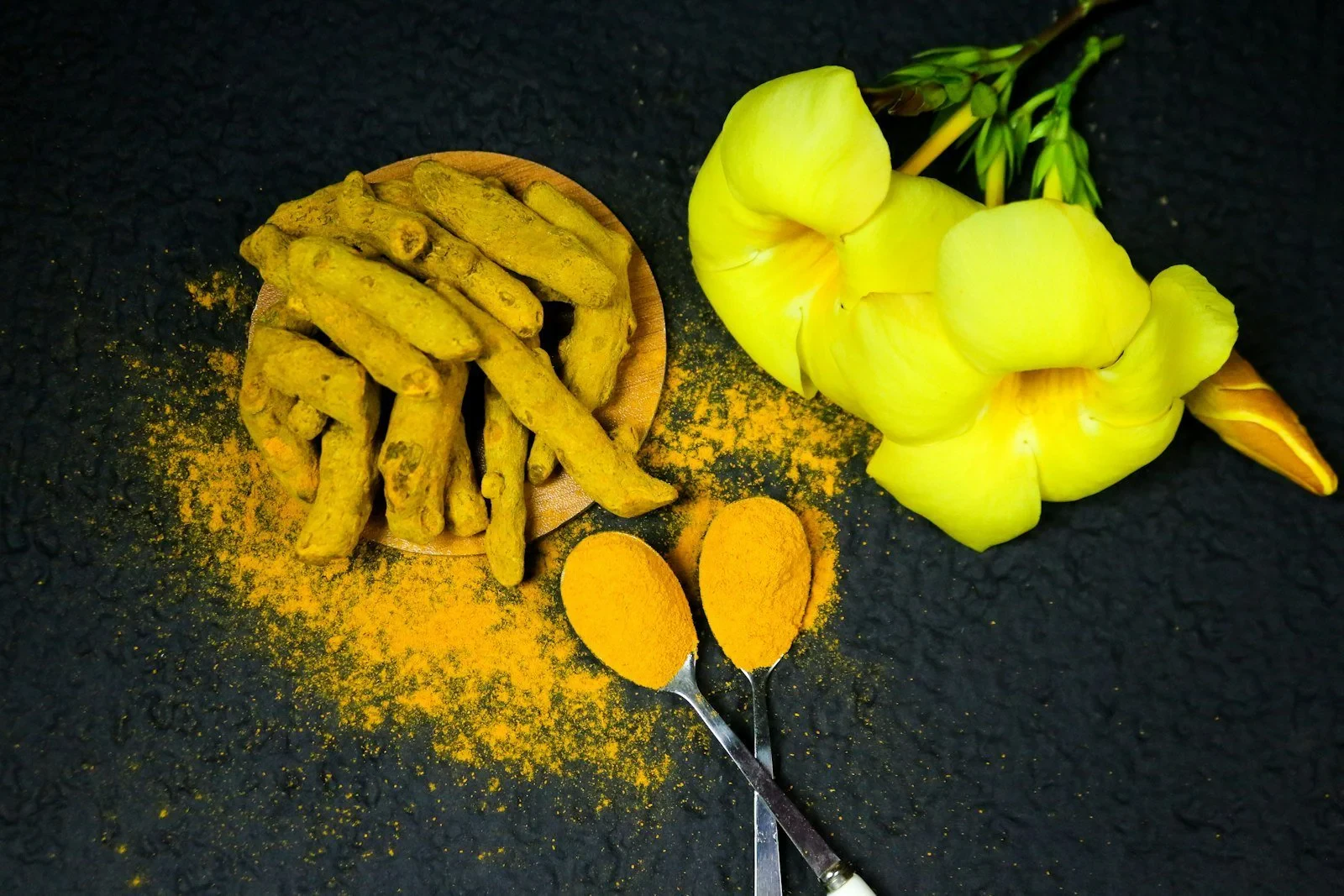
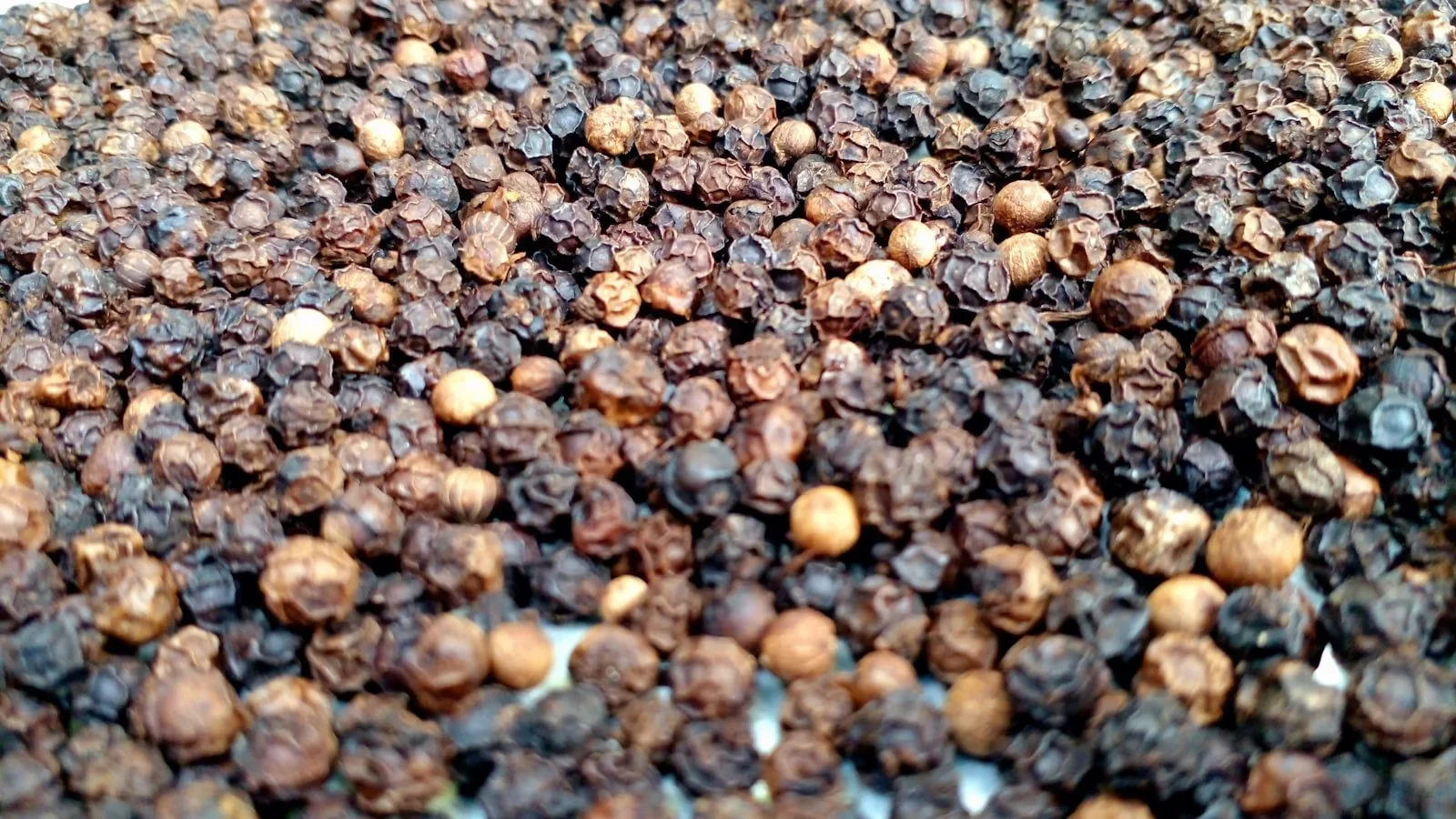
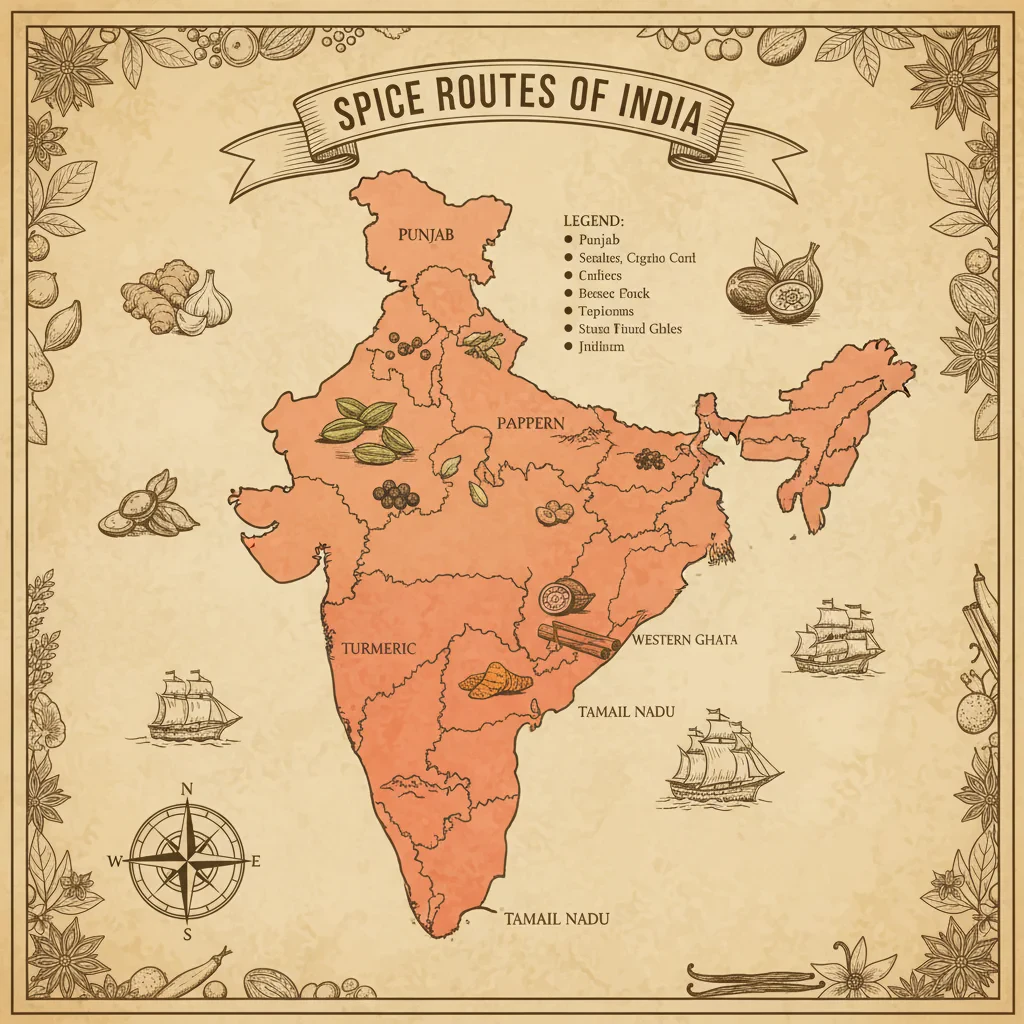
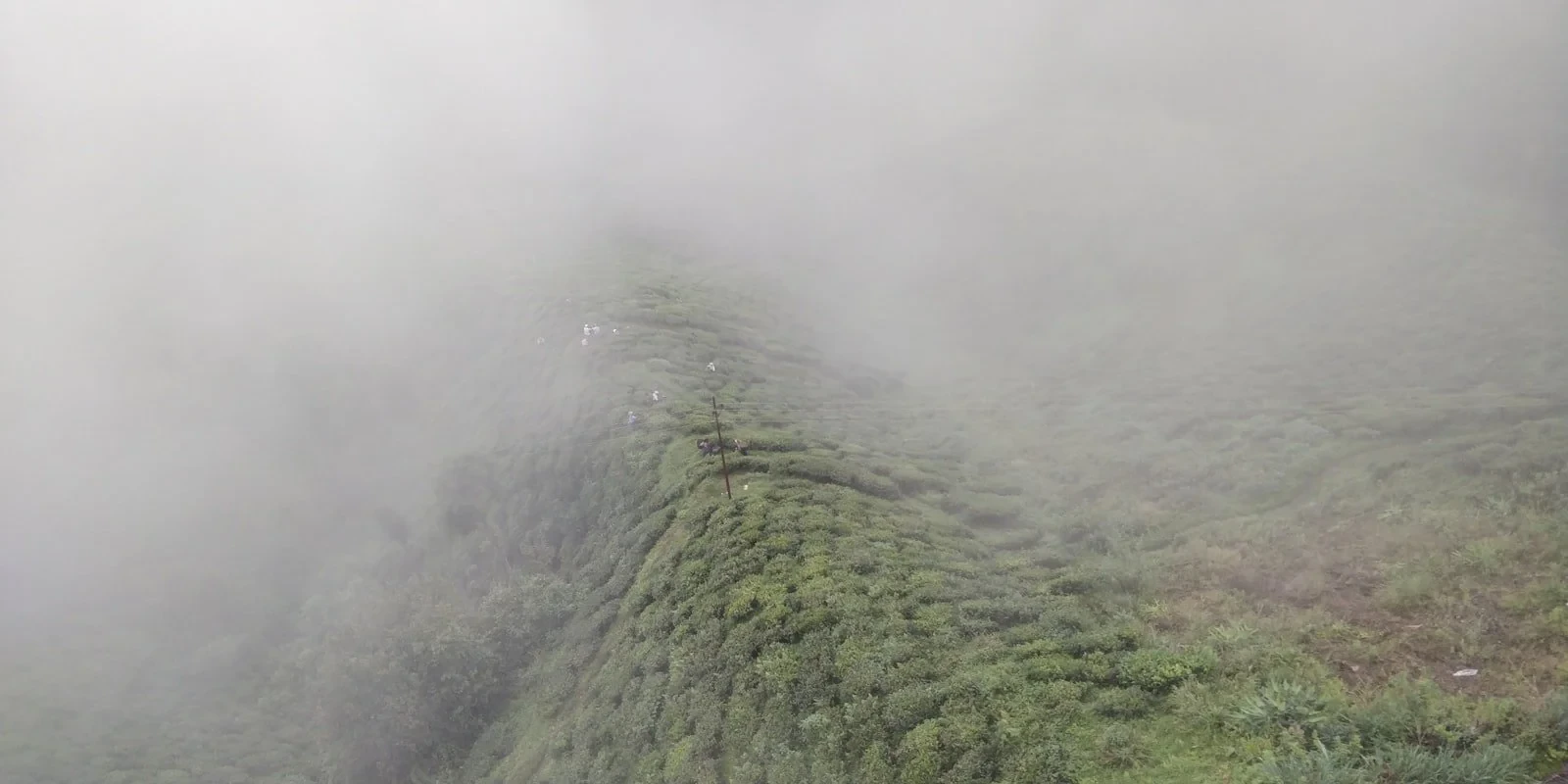
India's GI-certified products represent centuries of agricultural knowledge, ecological specificity, and community practice. Lakadong turmeric from the Jaintia Hills. Kerala black pepper from the Malabar coast. Darjeeling first flush from the high-altitude gardens of West Bengal. Each of these is a product that cannot be grown anywhere else on earth - not because of intellectual property, but because of geography, climate, and soil.
Yet when we began visiting these farming communities, we found the same story repeated everywhere: extraordinary quality, invisible to the market. Commodity buyers paid the same price for GI-certified produce as for standard varieties. Farmers had no incentive to maintain the traditional practices that created the quality in the first place. The GI tag existed on paper. The premium it should have commanded did not exist in practice.

Partnering directly with farming cooperatives across India's GI-certified growing regions.
How We Work
Amā (अमा) sources exclusively through direct partnerships with farming cooperatives. We visit every source region before we list a product. We test every batch for the specific quality markers that define each GI variety - curcumin concentration in Lakadong turmeric, piperine content in Kerala pepper, the specific volatile oil profile of Darjeeling first flush.
We source exclusively through direct partnerships with farming cooperatives - visiting every region, testing every batch, and building relationships that span seasons, not transactions. When farmers are recognised for the knowledge and land they steward, they maintain the practices that create quality. That is the only supply chain worth building.
“Every ingredient carries the memory of the place it came from. Our job is to make sure that memory arrives intact.”
Amā (अमा) Sourcing Philosophy
Our Mission
Amā (अमा) exists to make India's finest GI-certified ingredients accessible to people who care about what they eat - and to ensure that the communities who produce these ingredients are recognised, respected, and fairly compensated for the knowledge and land they steward.
Every product we carry has a story. Not a marketing story - a real one, rooted in a specific place, a specific community, and a specific set of practices that cannot be replicated anywhere else. We document those stories here. We trace them in our sourcing. And we carry them, quite literally, in every jar and packet we ship.
This is what “the origin of purity” means to us. Not a tagline. A commitment. From Shillong, Meghalaya - to your table.